
Pruritus: Chronic Itching Treatment
Pruritus is the medical term for itching. While occasional itching is normal, persistent or recurrent itching can represent an underlying dermatological, systemic, neurological or medication-related problem.
Chronic pruritus can significantly interfere with sleep, concentration and quality of life. Repeated scratching can also damage otherwise healthy skin, creating inflammation, pigmentation, thickening and sometimes secondary infection.
For this reason, treatment should begin with a more important question than “What can stop the itching?” Why is the itching happening?
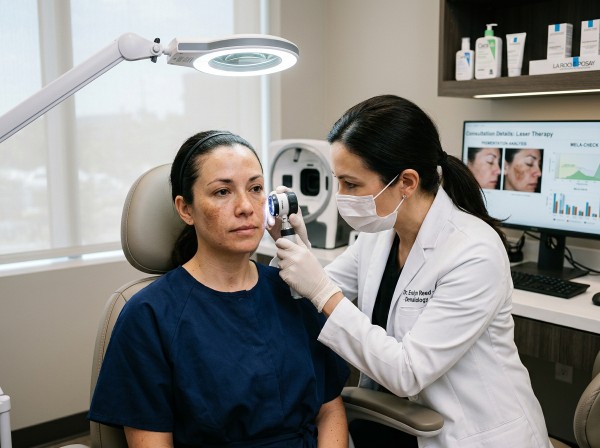
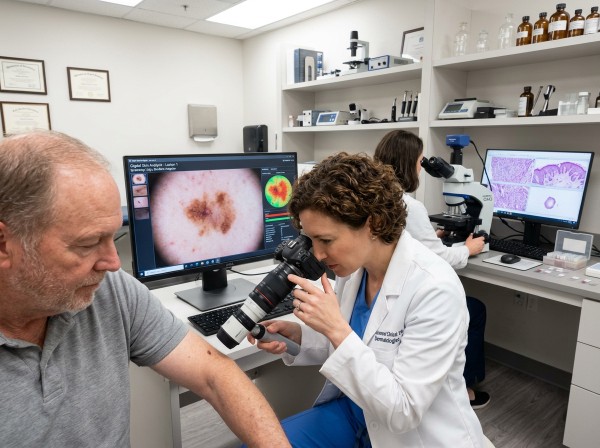
“Persistent pruritus should not become an endless cycle of antihistamines and temporary relief. We determine where the itch is coming from and what biological process is driving it.”
Dr. Yaksh Oza approaches chronic pruritus by differentiating cutaneous inflammation from systemic, neuropathic, and drug-induced sensory pathways.
Why Do We Itch?
Itching begins when specialised sensory pathways in the skin and nervous system are activated.
Various inflammatory mediators can stimulate itch-sensitive nerve fibres in the skin. These signals travel through peripheral nerves and the spinal cord to the brain, where they are perceived as itch.
Histamine is one such mediator, but it is not responsible for every type of itch.
Key Clinical Insight: This explains why antihistamines can be very effective for conditions such as urticaria but may provide limited benefit for many other forms of chronic pruritus.
What Causes Chronic Itching?
The causes can broadly be divided into several groups:
1. Dermatological Causes
Common skin-related causes include:
- Atopic dermatitis
- Contact dermatitis
- Urticaria
- Psoriasis
- Dry skin
- Scabies
- Fungal infection
- Other inflammatory skin diseases
In these conditions, examining the primary skin lesions often provides important diagnostic information.
2. Systemic Causes
Persistent generalised itching can occasionally be associated with underlying systemic conditions.
Depending on the clinical picture, these can include disorders involving the liver, kidneys, thyroid, blood or other organ systems.
This does not mean that every patient with itching needs extensive investigations. Testing should be guided by the history and examination.
3. Neuropathic Itch
Sometimes the abnormal signal originates within the nervous system rather than primarily in the skin.
Neuropathic itch may occur in characteristic distributions and may be accompanied by burning, tingling or altered sensation.
4. Medication-Related Itching
Certain medicines can cause or aggravate pruritus. A complete medication and supplement history is therefore important.
The Itch-Scratch Cycle
Persistent itching creates a biological loop:
The Cycle: Itch → scratching → barrier damage → inflammation → increased itching.
Repeated scratching can eventually produce excoriations, pigmentation and thickened, leathery skin known as lichenification.
Breaking this cycle requires treatment of both the underlying condition and the damaged skin barrier.
How We Investigate Chronic Pruritus
The first distinction is whether there is a primary rash or whether the visible skin changes have developed mainly because of scratching.
Assessment may include:
When indicated, targeted blood tests, skin testing, biopsy or other investigations may be recommended.
Treatment
There is no universal “anti-itch treatment.”
Barrier Repair
Dry and damaged skin can amplify itch signalling. Appropriate moisturisation, gentle cleansing and reduction of irritating exposures may therefore form an important part of treatment.
Anti-Inflammatory Treatment
When eczema, psoriasis or another inflammatory dermatosis is responsible, controlling the underlying inflammation usually reduces the itch.
Antihistamines
Antihistamines are particularly useful when histamine-mediated conditions such as urticaria are responsible. They should not automatically be expected to treat every form of chronic itching.
Neuromodulatory Treatment
Selected neuropathic or chronic pruritus syndromes may require medications that modify abnormal nerve signalling rather than conventional antihistamines.
Treating the Underlying Cause
If infection, infestation, medication, systemic disease or another identifiable condition is responsible, management is directed toward that cause.
When Should Persistent Itching Be Investigated?
Consider dermatological evaluation when itching:
Frequently Asked Questions
Does itching always mean allergy?
No. Allergy is only one possible cause.
Why do antihistamines sometimes not work?
Not all itch is mediated by histamine. Inflammatory, neuropathic and systemic itch may involve different biological pathways.
Can dry skin really cause severe itching?
Yes. Impaired barrier function can substantially increase itch, particularly in older adults and people with eczema-prone skin.
Why am I itching when there is no visible rash?
Several possibilities exist, including dry skin, systemic causes, medications and neuropathic conditions. Persistent unexplained itch should be evaluated.
Can scratching make the condition worse?
Yes. Repeated scratching damages the barrier and promotes further inflammation, perpetuating the itch-scratch cycle.
Treat the Cause Behind the Itch
Persistent pruritus should not become an endless cycle of antihistamines and temporary relief.
Our approach is to determine where the itch is coming from, what biological process is driving it and whether there is an underlying condition that needs treatment.
Book a Chronic Itch Consultation