
Allergic Contact Dermatitis Treatment
Allergic contact dermatitis is an inflammatory skin reaction caused by delayed hypersensitivity to a substance that has come into contact with the skin.
It can develop from cosmetics, fragrances, preservatives, jewellery, hair dyes, adhesives, topical medications, occupational chemicals and many other everyday substances.
One of the confusing features is that you can develop contact allergy to something you have previously used without difficulty.
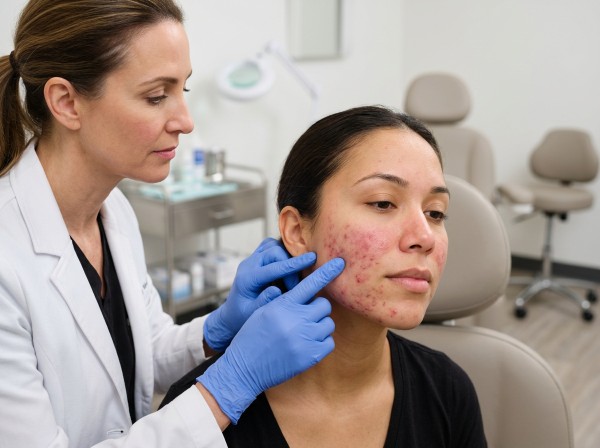
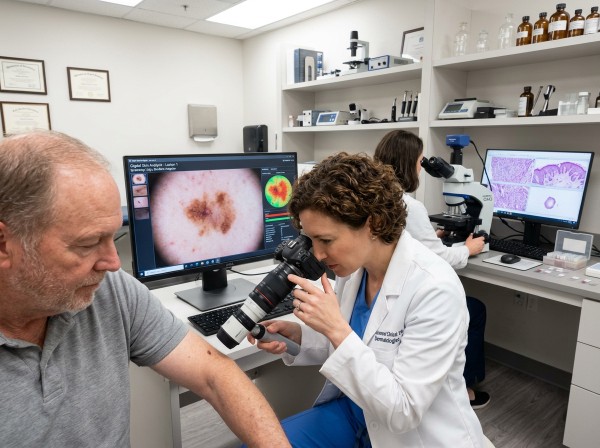
“When contact dermatitis repeatedly returns, identifying the exposure can be more valuable than repeatedly suppressing each flare.”
Dr. Yaksh Oza combines comprehensive exposure histories with standardised patch testing to pinpoint hidden chemical triggers.
What Actually Happens in the Skin?
Allergic contact dermatitis is a T-cell-mediated delayed hypersensitivity reaction, classically described as a type IV hypersensitivity response.
It develops in two stages:
Stage 1: Sensitisation
A small chemical capable of triggering allergy penetrates the skin and interacts with proteins. The immune system processes this exposure and develops immunological memory against the substance. This stage may produce no obvious symptoms.
Stage 2: Elicitation
When the sensitised person encounters the allergen again, memory T cells recognise it and initiate an inflammatory response. The reaction therefore usually develops hours to days after exposure rather than immediately.
This delayed mechanism is why patch testing, rather than a conventional immediate-allergy skin-prick test, is used to investigate allergic contact dermatitis.
Common Contact Allergens
Potential allergens include:
Ectopic Distribution: The allergen is not always located where the rash initially appears. For example, nail-product allergy can sometimes cause dermatitis of the eyelids or face after transfer from the fingers.
What Does Allergic Contact Dermatitis Look Like?
Acute reactions may cause:
Repeated exposure can produce chronic:
The location and pattern of dermatitis often provide important diagnostic clues.
How Do We Diagnose It?
Diagnosis begins with a detailed exposure history. We may review:
Patch Testing
When allergic contact dermatitis is suspected, patch testing may help identify the responsible allergen.
Standardised allergens are applied to the back under controlled conditions and remain in contact with the skin for a defined period. The test sites are subsequently examined for delayed reactions.
Patch testing does not simply produce a list of things a person is “allergic to.” A positive reaction must be interpreted in relation to actual exposure and the patient's dermatitis.
Treatment
Identify and Avoid the Relevant Allergen
Long-term treatment begins with identifying clinically relevant exposures. Patients may need guidance about alternative ingredient names, cross-reacting chemicals and unexpected sources of exposure.
Control Active Inflammation
Depending on severity and location, treatment may include topical corticosteroids or appropriate steroid-sparing anti-inflammatory medication.
Restore the Skin Barrier
Moisturisers and gentle skincare help repair the barrier damaged by inflammation.
Occupational Modification
When exposure occurs at work, practical strategies may be required to reduce contact while allowing the patient to continue working safely.
Frequently Asked Questions
Can I become allergic to something I have used for years?
Yes. Sensitisation can develop after repeated exposure.
Is patch testing the same as a prick test?
No. Patch testing investigates delayed contact hypersensitivity.
Can cosmetics cause contact dermatitis?
Yes. Fragrances, preservatives, hair products, nail products and other cosmetic ingredients can act as allergens.
Does a positive patch test mean I must avoid the substance forever?
The result first needs to be assessed for clinical relevance. If the allergen is genuinely responsible for your dermatitis, avoidance becomes central to prevention.
Can allergic contact dermatitis be cured?
The active dermatitis can settle, but immunological sensitisation may persist. Avoiding the relevant allergen helps prevent recurrence.
Don't Just Treat the Rash. Find the Allergen.
When contact dermatitis repeatedly returns, identifying the exposure can be more valuable than repeatedly suppressing each flare.
Book a Contact Dermatitis / Patch Testing Consultation