
Eczema Treatment
Eczema is a term used for a group of inflammatory skin conditions. Depending on the type, it can cause itching, redness, dryness, scaling, cracks, blisters or areas of weeping skin.
Although these conditions share certain symptoms, they do not all have the same cause or need the same treatment. Repeatedly treating an itchy rash as “eczema” without identifying the underlying type can delay appropriate care.
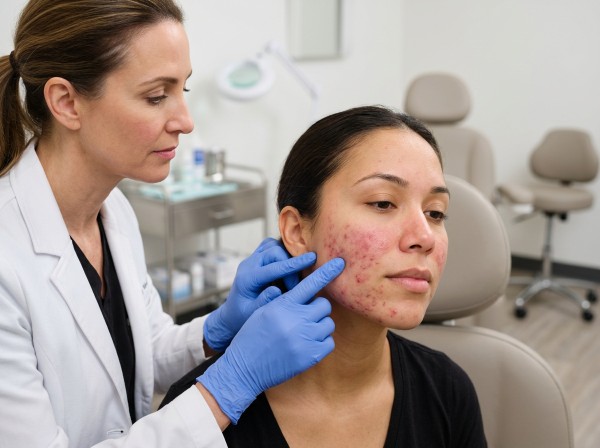
“Dr. Yakshoza focuses on understanding which type of eczema you have, settling the inflammation and developing a plan to help keep your skin comfortable over time.”
Identifying the precise pattern of dermatitis ensures targeted flare management and prevents unnecessary exposure to triggers.
Types of Eczema
The eczema family includes several conditions, each with its own triggers and treatment considerations:
Identifying the specific condition helps us choose suitable treatment and understand why symptoms may be returning.
Symptoms of Eczema
Eczema can look and feel different depending on its type, the area affected and whether it is newly inflamed or has been present for some time.
You may notice:
Some people mainly experience dryness and itching, while others develop more inflamed, cracked or weeping patches. These differences help guide assessment and treatment.
How We Diagnose Eczema
Your consultation includes an examination of your skin and a discussion about how the rash began, how it behaves and what you regularly come into contact with.
We consider:
Patch testing or other investigations may be appropriate when we suspect a particular diagnosis, such as allergic contact dermatitis. Testing is selected according to your symptoms and history.
Treatment for Eczema
Treatment is tailored to the type of eczema, its severity and the areas involved. A useful plan addresses both the current flare and the factors that may be keeping it active.
Restore the Skin Barrier
Gentle cleansing and appropriate moisturisation form the foundation of care for many types of eczema.
A suitable routine helps reduce dryness and support the skin’s protective barrier. Recommendations should be practical for everyday use and appropriate for your skin.
Control Inflammation
Topical corticosteroids or steroid-sparing anti-inflammatory medicines may be prescribed to settle inflamed skin.
The choice depends on the eczema type, the severity of the flare and the area being treated. Clear instructions on application help you use treatment appropriately.
Identify Relevant Triggers
If irritant or allergic contact dermatitis is suspected, identifying and modifying exposure is particularly important.
This may involve reviewing products or substances you encounter through skincare, cosmetics, work or daily activities. Advice should focus on exposures relevant to your condition.
Treat Infection When Present
Eczema can become infected, but not every flare is caused by infection. Antibiotics should therefore not be used automatically whenever the skin becomes inflamed.
If examination suggests an infection, appropriate treatment can be provided alongside care for the eczema itself.
Consider Advanced Treatment When Needed
Severe, persistent inflammatory eczema particularly atopic dermatitis may require treatment beyond topical medicines.
Depending on the diagnosis and individual circumstances, options may include phototherapy or targeted systemic treatment. These are considered after assessing disease severity and treatment suitability.
Frequently Asked Questions
Is eczema contagious?
No. Eczema cannot spread from person to person through touch or close contact.
Is every type of eczema caused by an allergy?
No. Allergy plays a role in some forms of eczema, but other types are associated with irritation, skin-barrier changes or inflammation. Identifying the type helps clarify which factors matter.
Why does my eczema keep returning?
Some forms involve a long-term tendency towards skin-barrier problems or inflammation. Continued contact with an irritant or allergen can also repeatedly trigger symptoms.
Should I avoid soap?
Harsh cleansing can worsen dryness and irritation in some forms of eczema. Advice about cleansers and washing should be tailored to your skin and the type of dermatitis you have.
Can eczema become infected?
Yes. Scratching and cracks can disrupt the skin barrier, making infection more likely. Suspected infection needs assessment so that treatment can be chosen appropriately.
Can eczema leave dark marks?
Yes. Inflammation can leave post-inflammatory pigmentation, particularly in skin that pigments readily. These colour changes may remain after the active rash has settled.
Understand Your Eczema. Find the Right Treatment.
Recurring itching and irritation can be frustrating, especially when treatment provides only temporary relief.
Identifying the specific type of dermatitis helps us understand what is driving your symptoms and plan appropriate long-term care. Our aim is to control inflammation, support the skin barrier and address relevant triggers so that your treatment does more than settle the latest flare.
Book an Eczema Consultation