
Bullous Pemphigoid Treatment
Bullous pemphigoid is an autoimmune blistering condition that most commonly affects older adults. It often begins with intense itching, redness or raised patches that resemble hives. The characteristic blisters may appear later.
Persistent itching and new blisters can be uncomfortable and worrying, particularly when the cause is unclear. Early symptoms can resemble other skin conditions, making careful assessment important.
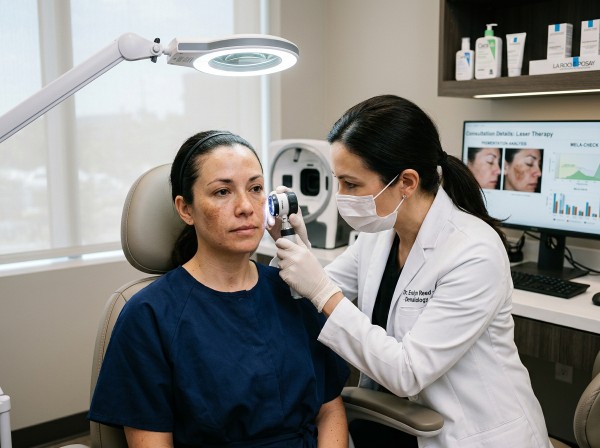
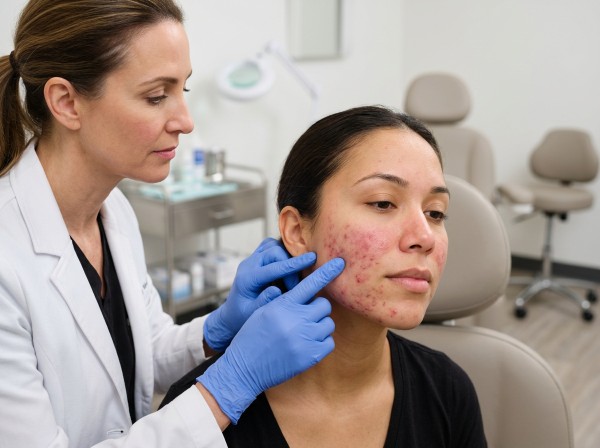
“At Dr. Yakshoza, we focus on confirming the diagnosis, relieving symptoms and choosing treatment that takes your overall health into account.”
Our approach balances rapid inflammation control with minimal systemic treatment risks, tailored to your medical history.
What Happens in Bullous Pemphigoid?
Bullous pemphigoid develops when the immune system mistakenly produces antibodies against proteins that help attach the upper layer of skin to the tissue beneath it.
This weakens the attachment between these layers, allowing them to separate and form blisters.
Unlike the fragile, easily broken blisters seen in pemphigus vulgaris, bullous pemphigoid typically causes firmer, tense, fluid-filled blisters. Although both conditions involve the immune system, they are distinct diseases that need to be diagnosed accurately.
Symptoms of Bullous Pemphigoid
Symptoms can change as the condition develops. You may notice:
Not everyone develops obvious blisters at the beginning. Itching and inflamed patches may appear first, which can make early bullous pemphigoid harder to recognise.
How Is Bullous Pemphigoid Diagnosed?
Your assessment begins with an examination of your skin and a discussion of your symptoms, medical history and medications. Specialised testing is often needed to confirm the diagnosis.
Assessment may include:
Clinical examination
Looking at the pattern of itching, inflammation and blistering.
Skin biopsy
Taking a small tissue sample for examination.
Direct immunofluorescence
Specialised testing of a skin sample to identify immune deposits associated with autoimmune blistering disease.
Blood antibody testing
Checking for antibodies that may support the diagnosis.
Medication review
Reviewing your medicines and any possible relationship to the onset of symptoms.
Baseline investigations
Assessing your health to help guide treatment safely.
Together, these findings help distinguish bullous pemphigoid from other causes of itching and blistering.
Treatment for Bullous Pemphigoid
Treatment depends on how widespread and severe the condition is, as well as your age, general health and other medical conditions. The aim is to control blistering and inflammation while keeping treatment-related risks as low as possible.
Corticosteroids
Potent topical corticosteroids, applied directly to the skin, can be highly useful when application is practical.
Some patients may need systemic corticosteroids, which work throughout the body. The choice of treatment depends on the extent of disease and individual medical circumstances.
Steroid-Sparing Treatment
Selected patients may benefit from additional medicines that modify the immune response or reduce inflammation.
These treatments may be used to improve disease control or reduce the amount of corticosteroid treatment needed. Suitability is assessed alongside your other health conditions and medications.
Wound Care
Blisters that have opened need appropriate care to reduce discomfort and the risk of secondary infection.
Wound care forms an important part of the treatment plan, alongside medication to control the underlying inflammation.
Why Individualised Treatment Matters
Bullous pemphigoid often affects older adults who may already be managing several health conditions or taking multiple medications.
A treatment that controls the skin disease must also be appropriate for the person receiving it. We consider your overall health, existing medicines and practical care needs when planning treatment, balancing disease control with the potential risks of medication.
Frequently Asked Questions
Is bullous pemphigoid contagious?
No. Bullous pemphigoid is an autoimmune condition and cannot spread from person to person through contact.
Can itching occur before blisters?
Yes. Severe itching may begin before obvious blisters appear. Some people initially develop redness or raised, hive-like patches.
Is it the same as pemphigus?
No. Bullous pemphigoid and pemphigus are different autoimmune blistering diseases. They affect different structures in the skin and typically produce different patterns of blistering.
Does it require a biopsy?
Specialised skin biopsy testing, including direct immunofluorescence, is commonly needed to confirm the diagnosis. Your dermatologist will explain which tests are appropriate.
Can medications contribute?
Some medications have been associated with bullous pemphigoid. Reviewing your medication history is therefore an important part of the assessment.
When should urgent care be sought?
Extensive blistering, signs of infection, fever, significant pain, dehydration or a rapid deterioration in your condition require prompt medical assessment. These symptoms should not wait for a routine appointment.
Diagnose Blistering Disease Correctly
Severe, unexplained itching followed by blisters deserves a careful assessment, especially when symptoms persist despite treatment for a presumed allergy.
An accurate diagnosis helps guide appropriate treatment, relieve discomfort and reduce complications. Our approach combines management of the skin condition with attention to your overall health and care needs.
Book a Dermatology Consultation