
Atopic Dermatitis Treatment
Atopic dermatitis is a chronic inflammatory skin condition that causes itching, dryness, sensitivity and recurring patches of inflamed skin. The itching can be particularly difficult to live with, especially when it interrupts sleep or leads to repeated scratching.
It often begins in childhood, but it can continue into adulthood or first appear later in life.
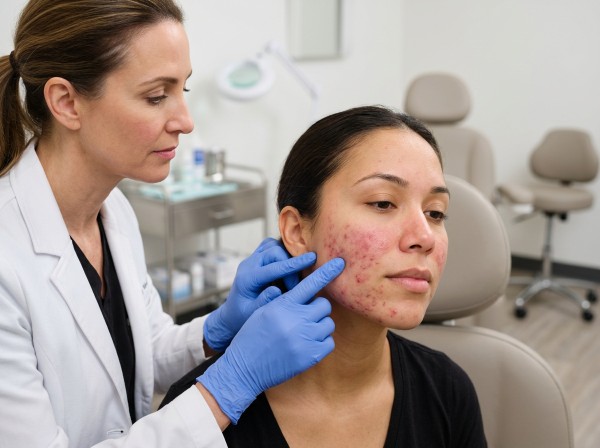
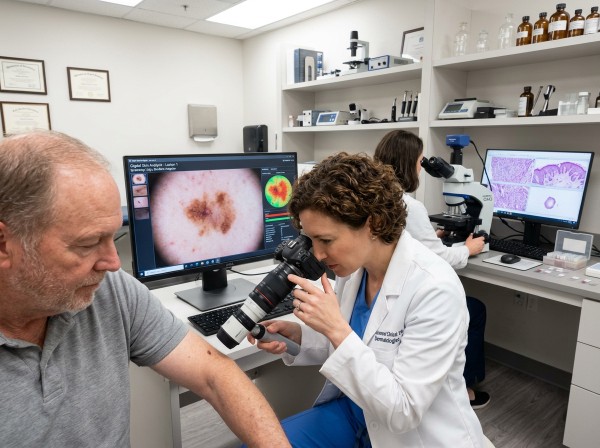
“Settling inflammation, supporting the skin’s protective barrier and helping you manage flare-ups with a clear, sustainable treatment plan.”
Dr. Yaksh Oza focuses on comprehensive care that stops active flare-ups and maintains long-term skin barrier strength.
Understanding the Skin Barrier
Healthy skin forms a protective barrier between your body and the environment, helping to retain moisture and keep irritants out.
In atopic dermatitis, changes in this barrier and the immune response make the skin more vulnerable to dryness, irritation, inflammation and certain infections.
This can lead to an itch-scratch cycle. Inflamed skin feels itchy, scratching further damages the barrier, and that damage encourages more inflammation and itching. Treatment needs to address both the inflammation and the weakened barrier to help interrupt this cycle.
Symptoms of Atopic Dermatitis
Symptoms can vary over time, with periods when the skin feels settled and others when it becomes more inflamed or uncomfortable.
You may notice:
The areas affected can also vary with age. Understanding where symptoms occur and how they change helps guide assessment and treatment.
How We Diagnose Atopic Dermatitis
Atopic dermatitis is usually diagnosed by examining your skin and discussing your symptoms and medical history.
During your consultation, we consider:
This assessment helps us understand your condition and choose treatment suited to its severity, location and impact on daily life.
Treatment for Atopic Dermatitis
Treatment combines everyday skin care with medication to control inflammation when needed.
More persistent or extensive disease may require additional treatment.
Skin-Barrier Repair
Regular moisturisation is a foundation of treatment, including during periods when the skin looks better.
Choosing an appropriate moisturiser and a suitable bathing routine can help reduce dryness and support the skin’s barrier function. We help you establish a routine that is practical to maintain.
Topical Corticosteroids
Topical corticosteroids are important treatments for controlling inflammation during eczema flares.
Their safe and effective use depends on choosing the right strength for the affected area and using it at the correct frequency and for the appropriate duration.
We provide clear guidance on where, how often and how long to apply treatment. This helps avoid both problems from inappropriate use and undertreatment caused by understandable concerns about steroids.
Steroid-Sparing Treatments
Topical calcineurin inhibitors and other non-steroid prescription treatments may be useful for selected patients.
These may be recommended for particular areas of the body or as part of a maintenance plan, depending on your skin’s needs.
Wet-Wrap Therapy
Wet-wrap therapy may be considered during selected significant flare-ups.
It should be used under appropriate guidance, with clear instructions about the products involved and how the wraps should be applied.
Phototherapy
For some patients with more extensive atopic dermatitis, medically supervised light treatment, known as phototherapy, may be an option.
Advanced Systemic Treatment
Moderate-to-severe atopic dermatitis that remains uncontrolled may need systemic treatment—medicines that work throughout the body.
Options include biologic medicines and oral targeted therapies, including JAK inhibitors.
Suitability depends on age, disease severity, medical history and other individual considerations.
Traditional systemic medicines that modify immune activity also continue to have a role in selected circumstances. Treatment selection requires an individual assessment of the available options.
Infection and Atopic Dermatitis
When the skin barrier is damaged, infection can develop more easily.
Clinical Warning: Seek medical assessment if you notice sudden worsening, pain, oozing, crusting, fever or rapidly changing skin lesions. These changes need review to determine whether infection or another complication is contributing to the flare.
Long-Term Management
Once a flare settles, ongoing care can help maintain improvement and reduce future episodes.
A comprehensive management plan may include:
The aim is to help you understand what to do when your skin is comfortable, what to change during a flare and when to seek further help.
Frequently Asked Questions
Is atopic dermatitis an allergy?
Atopic dermatitis is a complex inflammatory condition involving the skin barrier and immune response. It cannot simply be explained as an allergy. Allergic conditions can coexist, but broad allergy testing is not necessary for every patient.
Can it be cured permanently?
Atopic dermatitis is generally a chronic or recurring condition. Although a permanent cure cannot be promised, appropriate treatment can substantially improve control.
Are topical steroids dangerous?
Topical corticosteroids can cause side effects when used incorrectly. However, they are established treatments when the appropriate preparation, strength and duration are chosen for the affected area. Clear instructions help you use them safely and effectively.
Should I moisturise even when the rash disappears?
Usually, yes. Continuing to support the skin barrier can help reduce dryness and future flare-ups, even when the skin appears clear.
Can adults have atopic dermatitis?
Yes. Atopic dermatitis can persist from childhood into adulthood or first develop in adult life.
Are biologics available for severe eczema?
Yes. Biologic medicines and other targeted systemic treatments are options for suitable patients with moderate-to-severe atopic dermatitis. An assessment is needed to determine whether they are appropriate for you.
Break the Itch-Scratch Cycle
Persistent itching and repeated flare-ups can be exhausting. A clear treatment plan can help you feel more confident about caring for your skin and responding when symptoms return.
Our goal is to provide lasting control by supporting the skin barrier, reducing inflammation and helping prevent future flares, alongside relief from itching.
Book an Atopic Dermatitis Consultation